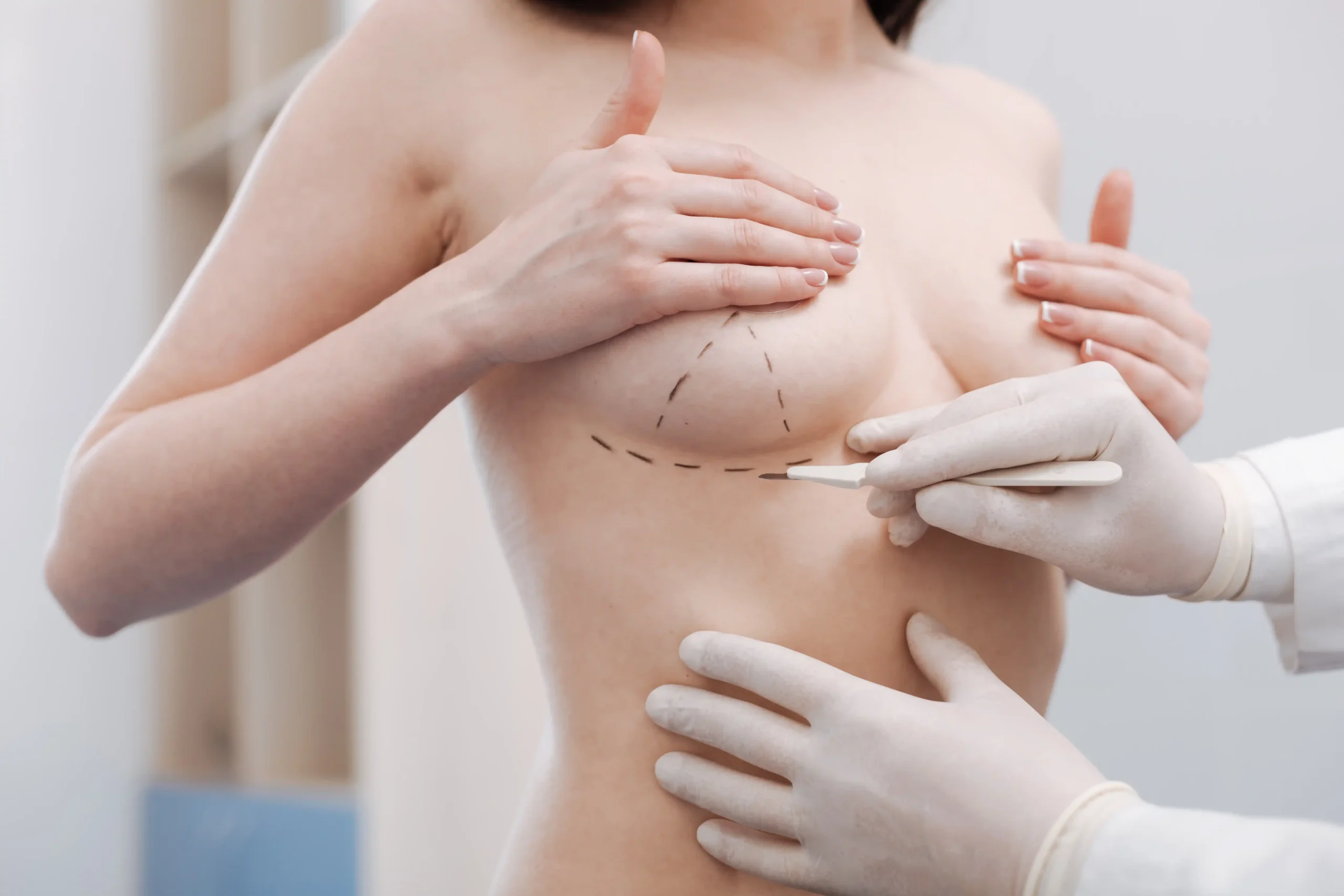
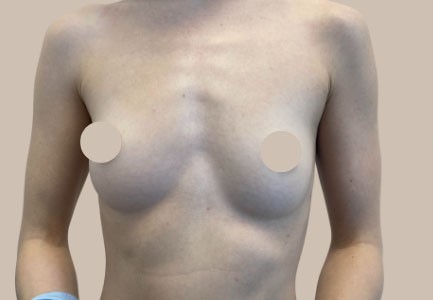
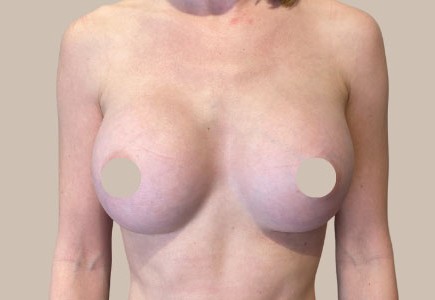
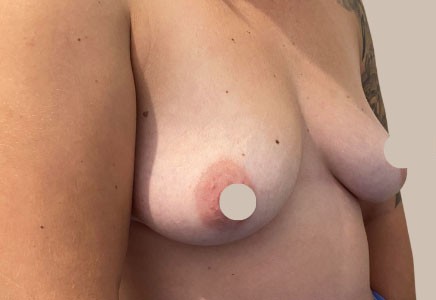
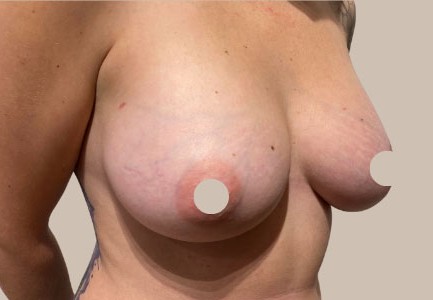
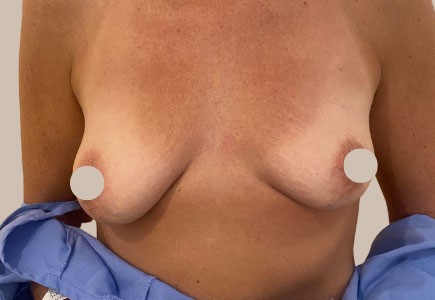
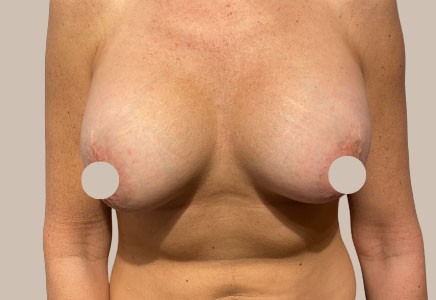
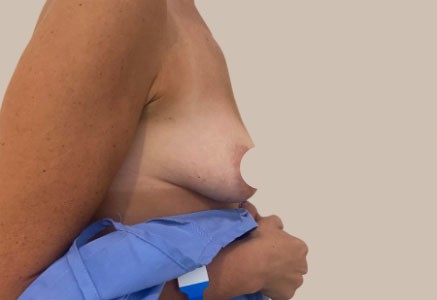
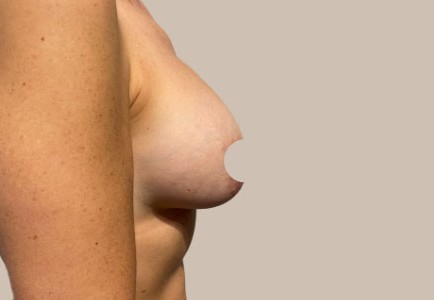
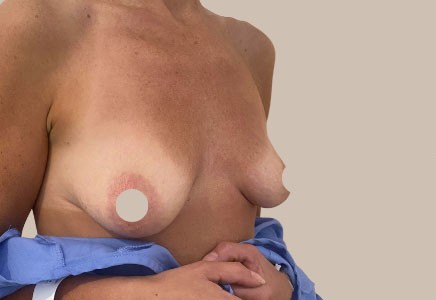
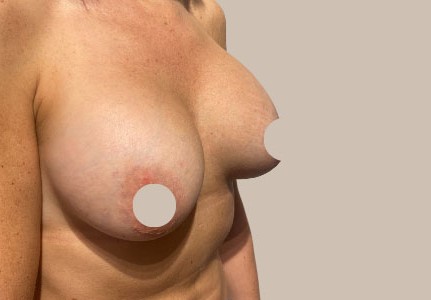
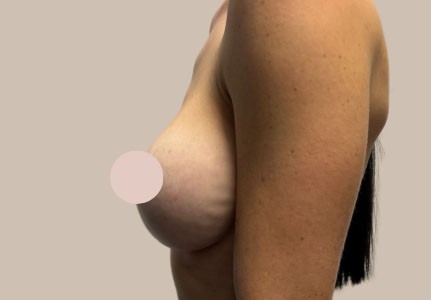
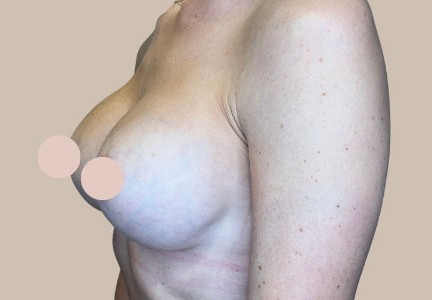
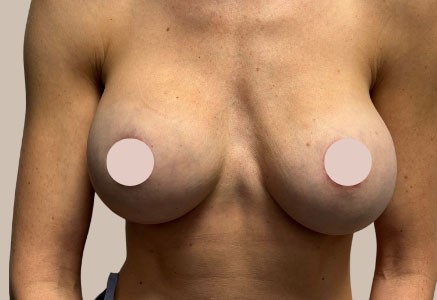
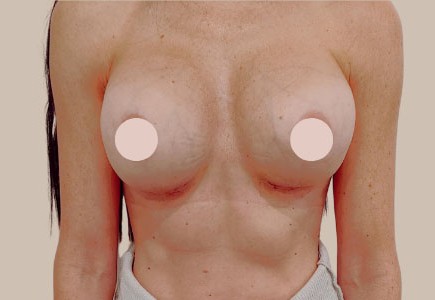
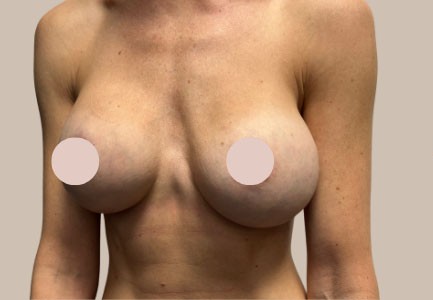
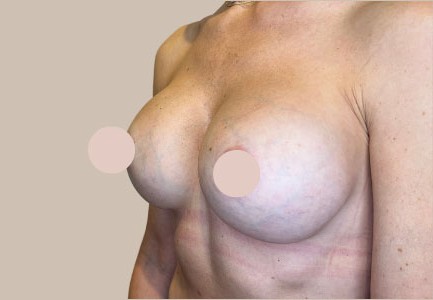
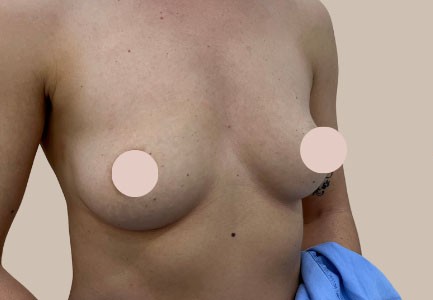
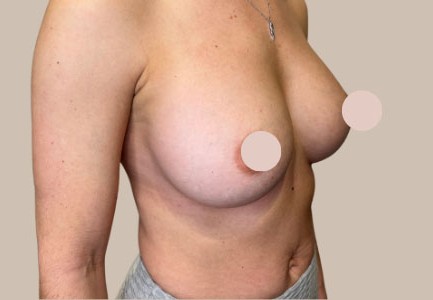
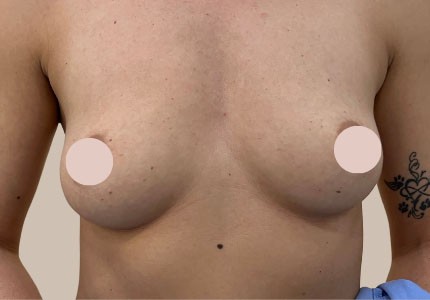
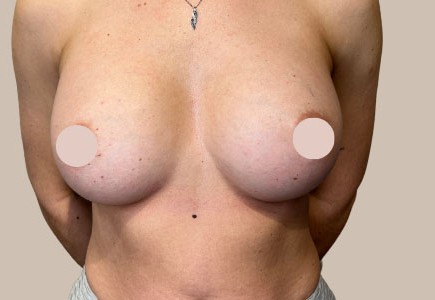
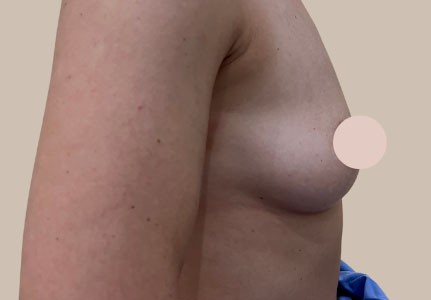
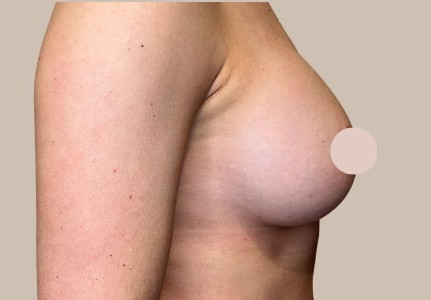
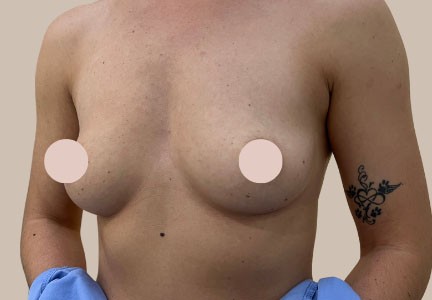
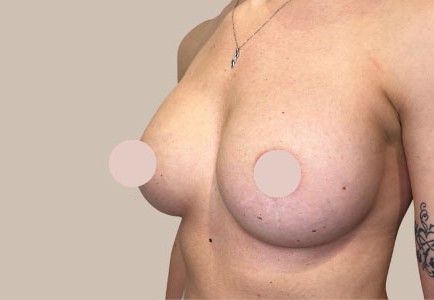
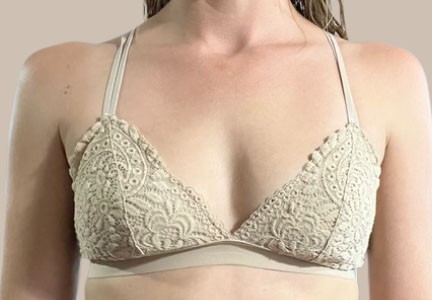
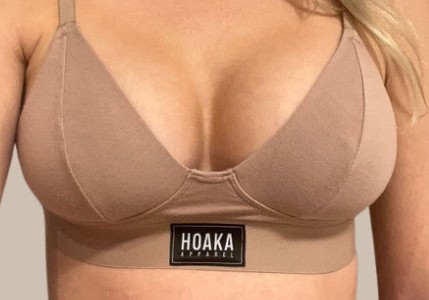
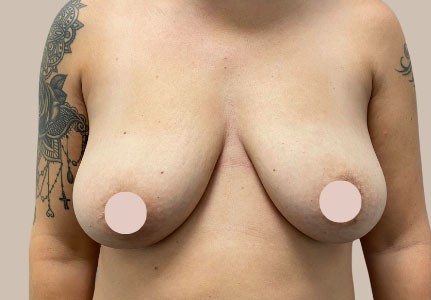
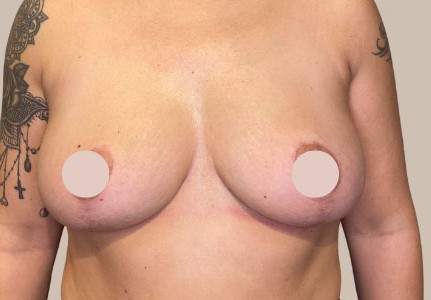
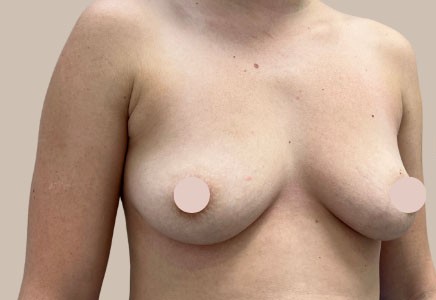
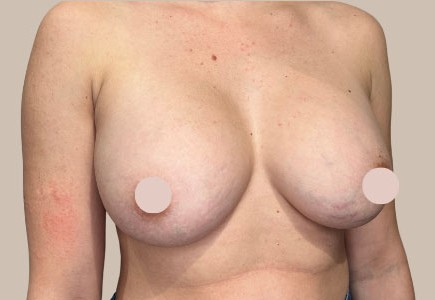
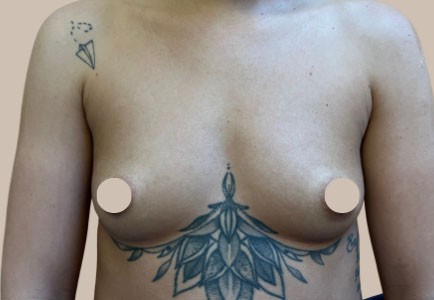
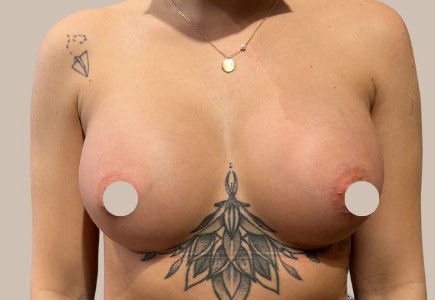
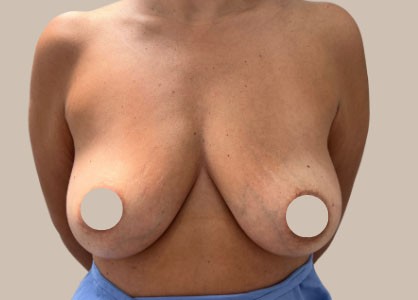
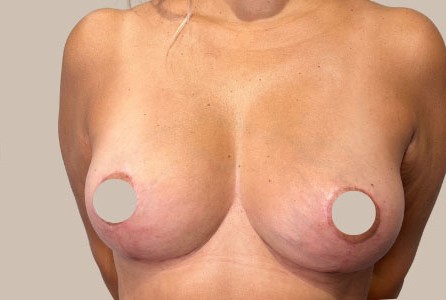
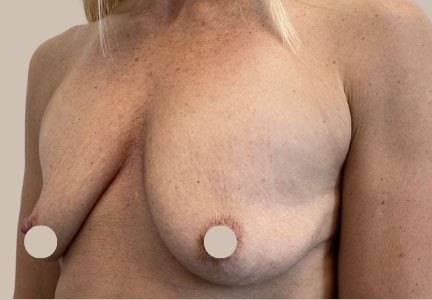
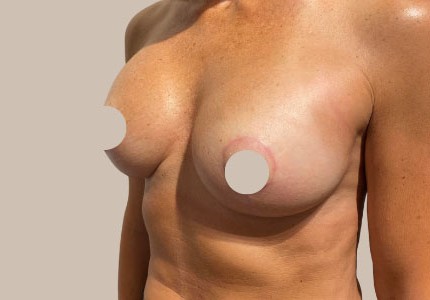
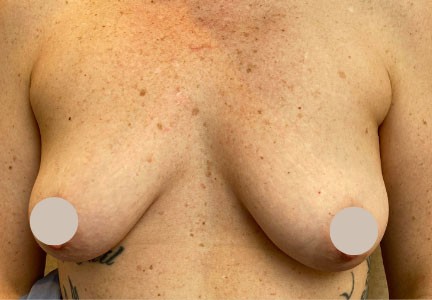
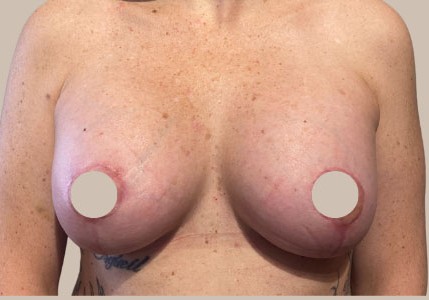
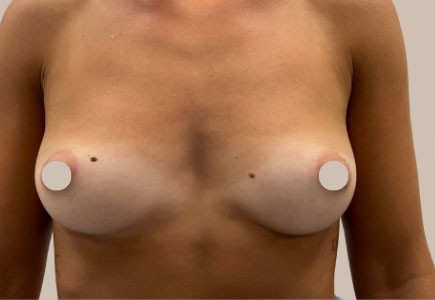
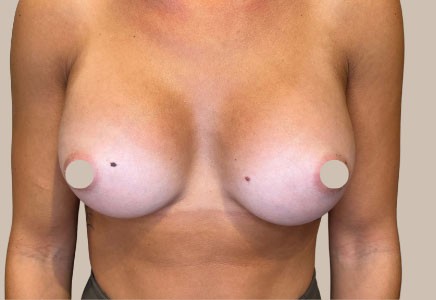
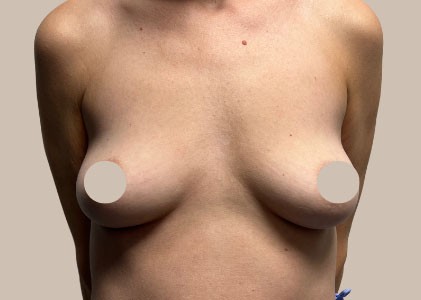
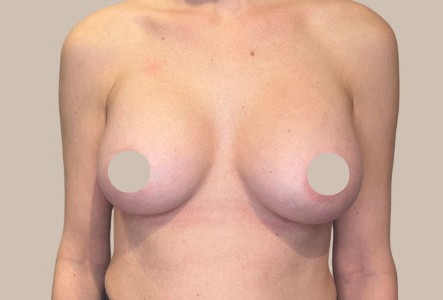
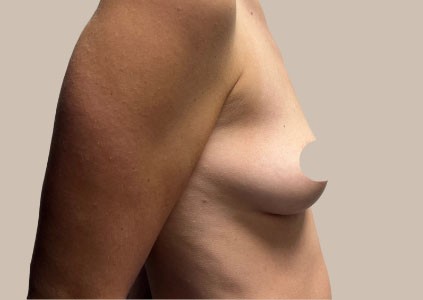
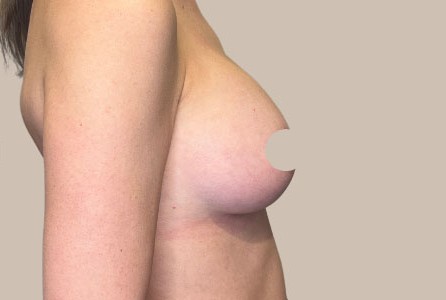
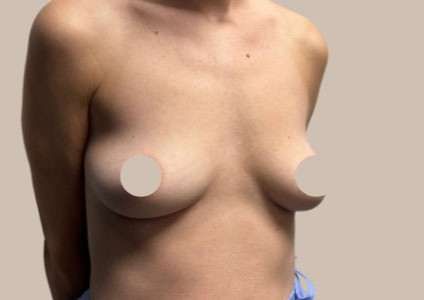
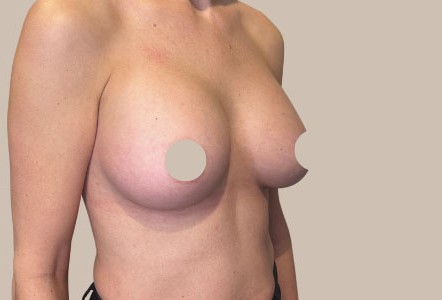
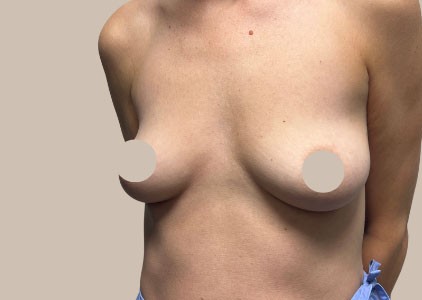
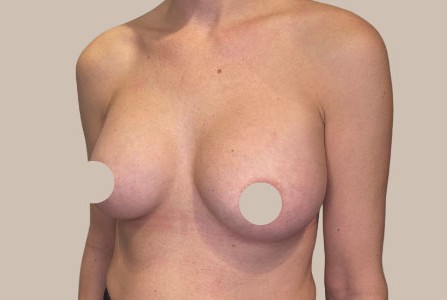
Breast augmentation (augmentation mammoplasty) is a surgical procedure that increases breast size and enhances shape by placing implants beneath the breast tissue or chest muscle. It can restore lost volume after pregnancy or weight loss and create more balanced body proportions.
Before surgery, a consultation determines the best implant type, size, and placement based on your chest anatomy and goals. During the procedure, an incision is made — typically in the fold under the breast — and a pocket is created either under the breast tissue or behind the pectoral muscle. The chosen implant is placed into position and incisions are closed, often with dissolvable sutures. Most breast augmentations are performed under general anesthesia and take about 1–2 hours.
You may be a good candidate if you are an adult in good health who wishes to enhance breast volume for aesthetic reasons, improve breast proportion, or restore fullness after pregnancy, breastfeeding, or weight changes. Candidates should have realistic expectations and be prepared to follow pre- and post-operative care instructions. A personalized consultation helps confirm suitability and discuss implant options.
Breast augmentation can improve physical proportions, boost confidence, and help clothes fit more harmoniously. For many women, restoring or enhancing breast volume can also improve self-esteem and overall body balance — particularly when natural breast tissue is considered insufficient for aesthetic goals.
Disclaimer: These photos are published for illustrative purposes only to provide information on the nature of the procedure. They do not constitute a guarantee of results.
Years of Combined Experience
0+
Treatments Performed
0+
Client Satisfaction
0%+
Advanced Treatments
0+
Frequently Asked Questions
How long does breast augmentation surgery take?
The operation typically lasts about 1–2 hours under general anesthesia, depending on implant choice and technique.
Where are the incisions made for breast implants?
Common incision sites include under the breast crease (inframammary), around the areola (periareolar), or occasionally from the armpit (transaxillary) to help conceal scars.
Will I have visible scarring?
Scars are usually placed in discreet areas and tend to fade over time. Their visibility depends on incision location and individual healing.
Is there a recommended recovery period?
Most patients wear a supportive bra for 1–2 weeks, avoid strenuous activity for 6–8 weeks, and return to light work within 2–3 weeks. Swelling and tenderness diminish over subsequent weeks.
Do breast implants last forever?
Implants are not lifetime devices. Silicone implants may need evaluation after about 10–15 years and replacement if changes occur. Saline implants usually require replacement if rupture happens.
Can breast augmentation correct asymmetry?
Yes — during your consultation, surgeons assess symmetry and can tailor implant size or placement to achieve a more balanced appearance.
Are there risks associated with breast augmentation?
While many procedures are successful, risks include infection, bleeding, changes in nipple sensation, implant position shifts, and capsular contracture (scar tightening around the implant). These risks are discussed during a full consultation.
Request a Consultation
Take the first step toward your surgical goals with a confidential, personalized consultation.
Create an account to access this functionality.
Discover the advantages
We use cookies to ensure that we give you the best experience on our website. If you continue to use this site we will assume that you are happy with it.