Belt Lipectomy (Lower Body Lift)
Belt lipectomy — also called a lower body lift — is a comprehensive body-contouring surgical procedure that removes excess skin and fat around the waistline and lower torso to create a smoother, firmer silhouette. It’s often recommended for individuals who have experienced significant weight loss, whether through bariatric surgery or lifestyle changes, and are left with lax, sagging skin that cannot be corrected with diet and exercise alone. Because the incision wraps around the body in a 360-degree pattern, this technique addresses the abdomen, flanks, lower back, and upper buttocks simultaneously to enhance overall contour. The result is a more youthful, proportionate lower body appearance that better complements your natural shape and improves comfort in daily life.
How Belt Lipectomy Works
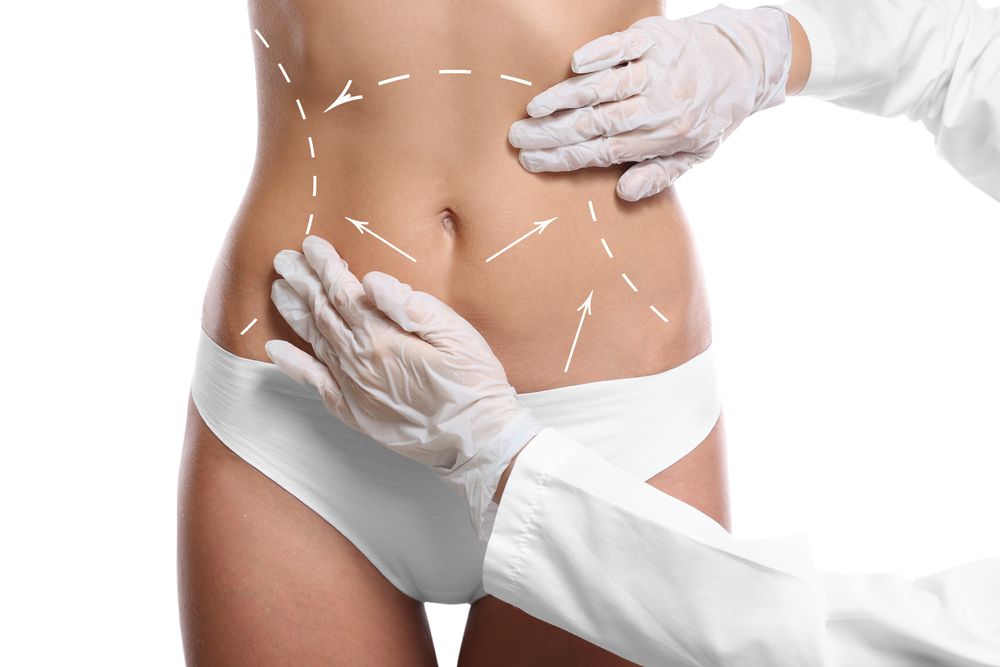
Belt lipectomy involves making a continuous incision that wraps around the lower torso at the level of the waist. Through this incision, the surgeon removes excess skin and underlying fat and may also tighten the abdominal muscles or reposition tissues to achieve a firmer contour. Because the incision extends around the body, belt lipectomy improves both the front (abdomen) and back (lower back and buttocks), creating a balanced, 360-degree result. The procedure is performed under general anesthesia, and drains are often placed to support healing.
Who Is a Good Candidate?
Ideal candidates have experienced significant weight loss and are left with excess, sagging skin around the waistline, hips, lower back, or buttocks that does not respond to diet and exercise. Candidates should be at a stable, healthy weight and free from active smoking or uncontrolled medical conditions that could impair healing. They should also understand that this is a major contouring procedure with a longer recovery than smaller body lifts. A thorough evaluation with a board-certified surgeon ensures the right individualized approach.
Why Consider a Belt Lipectomy?
Many people who lose a large amount of weight — whether through surgical or non-surgical means — find that their skin does not rebound and that loose tissue persists around their abdomen, flanks, hips, and lower back. This excess skin can affect clothing fit, cause discomfort or irritation, and prevent the body from looking as toned and youthful as you feel. Belt lipectomy offers a solution by removing this redundant skin and fat while recontouring the lower torso in a continuous 360-degree approach. Unlike a traditional tummy tuck that focuses only on the front of the abdomen, a belt lipectomy also tightens the lower back and buttocks for a more comprehensive result. Many patients notice improved body proportion, enhanced comfort with daily activities, and increased confidence. Because the surgery addresses multiple areas at once, it’s a powerful option for completing your body transformation after major weight loss.
Before and after Belt Lipectomy (Lower Body Lift)
Disclaimer: These photos are published for illustrative purposes only to provide information on the nature of the procedure. They do not constitute a guarantee of results.
Frequently Asked Questions
A belt lipectomy — also called a lower body lift — is a surgical procedure that removes excess skin and fat around the waistline, lower abdomen, hips, and lower back to create a smoother, more contoured lower body. It’s often chosen after significant weight loss when skin laxity persists.
A tummy tuck focuses primarily on the abdominal front, tightening muscles and removing excess skin there. A belt lipectomy, in contrast, uses a circumferential incision to address the entire 360-degree midsection — including flanks, back, and buttocks — for more comprehensive contouring.
Ideal candidates are adults with stable weight following significant weight loss, noticeable skin laxity around the lower torso, and no major health conditions that could complicate healing. Non-smokers with realistic expectations tend to have the best outcomes.
Recovery is more extensive than for smaller body lifts. Patients typically wear compression garments, manage surgical drains, and avoid bending or strenuous activity for several weeks. Scars will fade over time but remain visible.
Yes — because the incision wraps around the body, there will be a continuous scar at the level of the waist. Over time, the scar usually fades and is placed so it can be hidden by clothing.
Yes — excess skin and fat removed during surgery will not return. However, significant weight fluctuations after surgery can affect your final contour and may require revision surgery.
Yes — in addition to cosmetic benefits, removing excess skin can reduce irritation, improve hygiene, and make physical activity and clothing fit more comfortable.