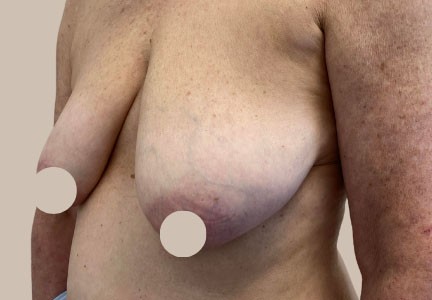
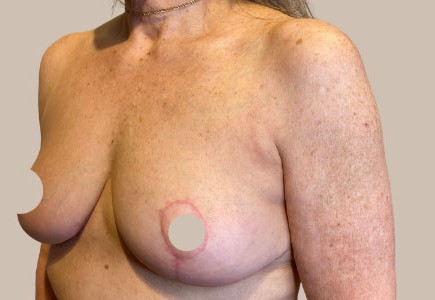
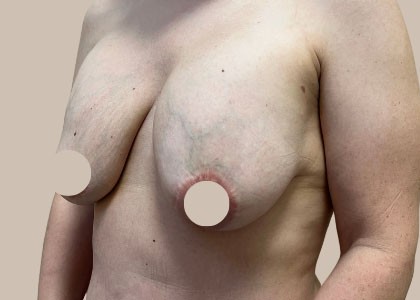
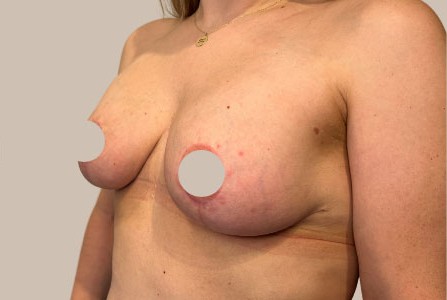
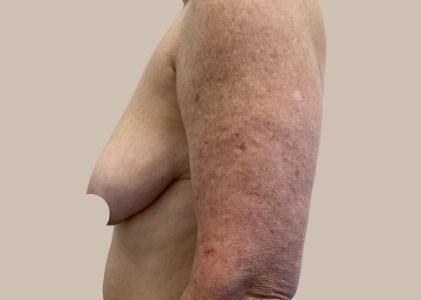
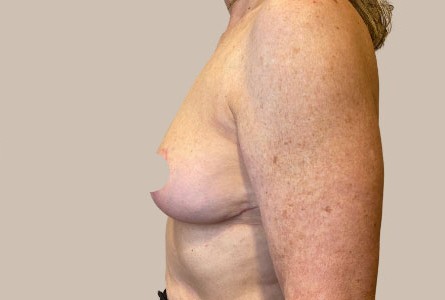
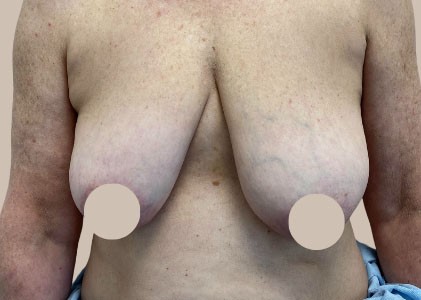
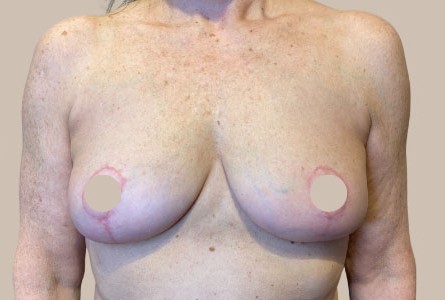
Breast lift and reduction surgery reshapes and lifts sagging breasts while reducing excess tissue when needed, creating a more youthful, proportionate chest contour and improving comfort and symmetry. It can be performed alone or combined with implants for added volume if desired.
The procedure is usually performed under general anesthesia and takes about 2 hours on average. Incisions are placed in patterns that depend on how much lifting and reduction are needed, commonly in an anchor (inverted‑T) shape with an added periareolar incision around the nipple area. Excess skin and glandular tissue are removed, the remaining tissue is reshaped, and the nipples are repositioned higher for a firmer, uplifted profile. A supportive bra is fitted at the end of surgery to support healing.
You may be a good candidate if you have breast sagging (ptosis) due to pregnancy, weight loss, aging, genetics, or discomfort from overly large breasts, and you want improved shape, posture comfort, and a lifted contour. Candidates should be in good overall health, not pregnant or breastfeeding, and able to maintain a stable weight. A consultation is essential to tailor the surgical plan to your anatomy and aesthetic goals.
Over time, breasts can lose volume, firmness, or begin to sag, which may affect posture, confidence, and comfort in daily life. This combined surgery not only repositions and lifts the breasts but also reduces uncomfortable excess weight and tissue, helping restore a firmer profile and improving physical comfort—especially during exercise and daily activities—while enhancing overall body harmony.
Disclaimer: These photos are published for illustrative purposes only to provide information on the nature of the procedure. They do not constitute a guarantee of results.
Years of Combined Experience
0+
Treatments Performed
0+
Client Satisfaction
0%+
Advanced Treatments
0+
Frequently Asked Questions
What’s the difference between a breast lift and a reduction?
A breast lift (mastopexy) reshapes and raises sagging breasts, while a breast reduction also removes excess tissue to decrease size and weight; in many reduction procedures, lifting is inherently part of the process.
How long does the surgery take?
The combined breast lift and reduction surgery typically takes about 2 hours under general anesthesia.
Will there be visible scars?
Scars usually follow an anchor or inverted‑T pattern and are placed to be discreet; they fade over time but may remain visible in the crease and around the areola.
What is recovery like?
Most patients can resume light daily activities in 1–2 weeks, wear a supportive bra day and night for about a month, and avoid strenuous exercise for about 6–8 weeks. Swelling and superficial bruising typically diminish within a few weeks.
Will this surgery improve physical discomfort?
Yes — by reducing excess breast tissue and lifting the breasts, many patients experience relief from neck, shoulder, and back strain and improved comfort in physical activities.
Can an implant be added during the same surgery?
Yes — if volume enhancement is desired, an implant can be placed during the same surgery to create fuller, more youthful contours.
How long until final results are visible?
The breasts settle into their new shape over several months as swelling resolves and scars mature; definitive results are typically seen by 3–6 months post‑surgery.
Request a Consultation
Take the first step toward your surgical goals with a confidential, personalized consultation.
Create an account to access this functionality.
Discover the advantages
We use cookies to ensure that we give you the best experience on our website. If you continue to use this site we will assume that you are happy with it.