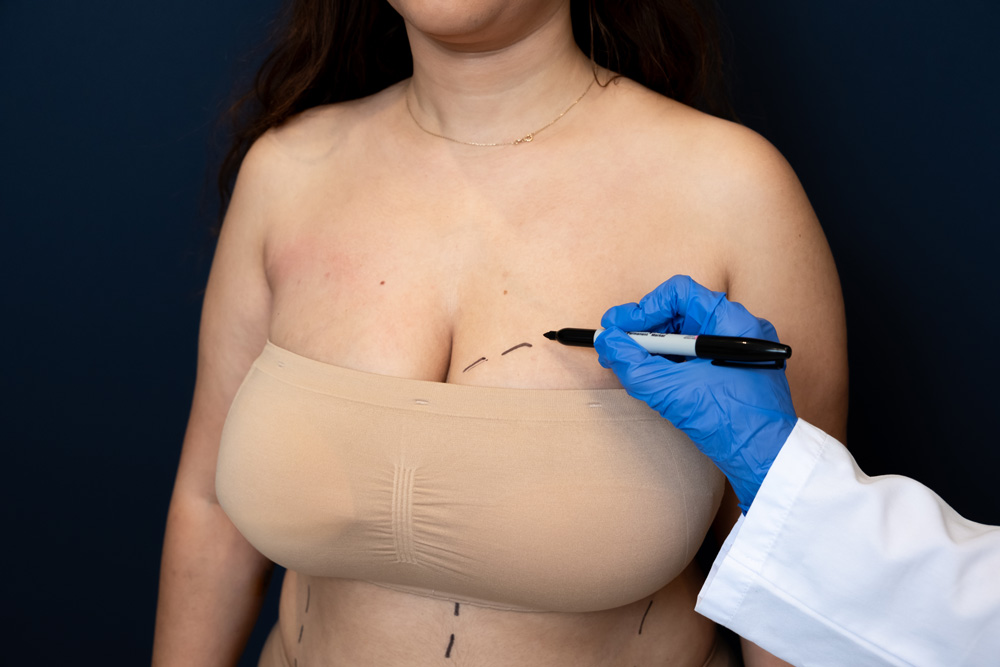
Breast reduction, also known as reduction mammaplasty, is a surgical procedure that reshapes and reduces the size of the breasts by removing excess breast tissue, fat, and skin. This surgery not only creates a more proportionate and balanced chest but also helps relieve physical symptoms associated with overly large breasts — such as neck, back, and shoulder discomfort and difficulty with clothing fit. During the procedure, the surgeon repositions the nipples to a more natural height, refines breast shape, and may adjust the size of the areola for improved symmetry. The final result is a lighter, more comfortable breast profile that aligns with your body’s proportions and aesthetic goals.
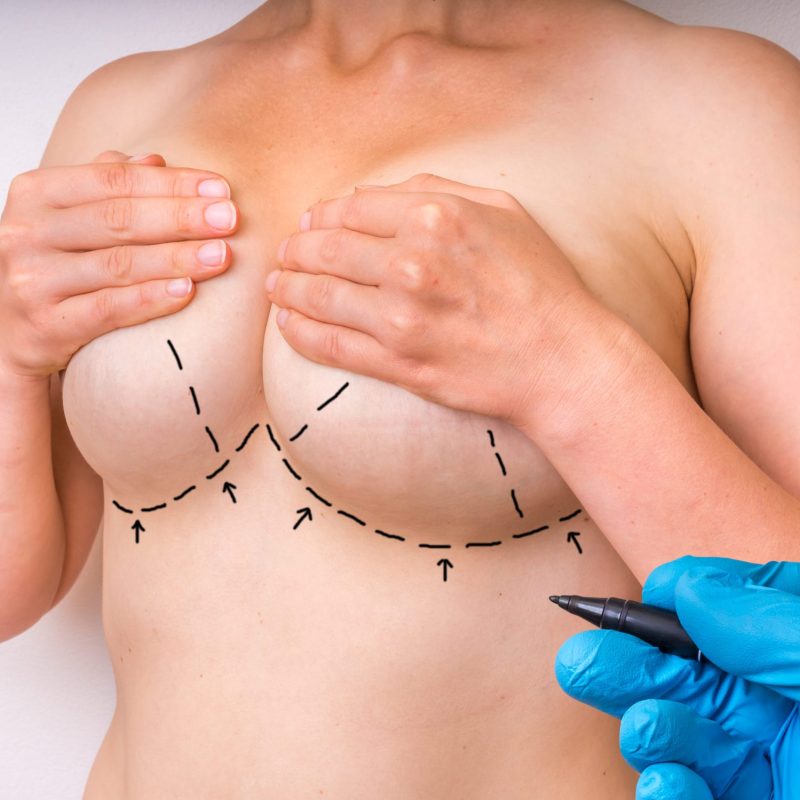
Breast reduction begins with carefully planned incisions — often in an “inverted-T” or anchor pattern — that allow the surgeon to remove excess skin, fatty tissue, and glandular breast tissue. The nipple-areola complex is repositioned higher on the breast for a natural look, and the remaining tissue is reshaped to improve contour and support. Once the desired size and shape are achieved, the incisions are closed with sutures placed to encourage optimal healing. Most patients go home the same day and begin gradual recovery over the following weeks.
Ideal candidates for breast reduction are individuals whose breast size causes physical discomfort — including chronic neck, back, shoulder pain, rash under the breast crease, or difficulty participating in physical activity — and those who desire a more balanced silhouette. Good candidates are in overall good health, have realistic expectations about results, and are committed to postoperative care for proper healing. A consultation with a board-certified plastic surgeon helps determine the best surgical plan tailored to your body and lifestyle goals.
Breast size plays a significant role in both physical comfort and self-image. For many people with disproportionately large breasts, everyday activities such as exercise, clothing selection, and even posture can become uncomfortable or painful. Breast reduction surgery directly addresses these issues by decreasing breast volume and weight, which often leads to marked relief from back, neck, and shoulder strain and improved posture and mobility. Beyond physical benefits, many patients also experience increased confidence, a better fit in clothing and swimwear, and an enhanced sense of proportion that complements their overall body shape. Because the surgery also elevates and reshapes the breasts, it simultaneously improves form and function. Although scars are a consideration, they are placed in strategic locations that tend to be easily concealed and fade over time. Discussing your goals with a qualified surgeon ensures a personalized plan that balances aesthetic improvement with comfort and long-term satisfaction.
Before and after Breast Reduction (Reduction Mammaplasty)
Disclaimer: These photos are published for illustrative purposes only to provide information on the nature of the procedure. They do not constitute a guarantee of results.
Years of Combined Experience
0+
Treatments Performed
0+
Client Satisfaction
0%+
Advanced Treatments
0+
Frequently Asked Questions
What is breast reduction surgery?
Breast reduction (reduction mammaplasty) is a surgical procedure that removes excess breast tissue, fat, and skin to achieve a breast size more proportional to your body.
Why do people choose breast reduction?
People often choose this surgery to reduce physical discomfort (back, neck, shoulders), improve clothing fit, and enhance overall body proportion.
Where are the incisions placed?
Common incision patterns include the inverted-T (anchor), vertical, or around the areola, depending on the amount of tissue removed and desired reshaping.
Will breast reduction affect nipple position?
Yes — during surgery the nipple and areola are typically repositioned higher on the breast for a natural and balanced outcome.
Is recovery painful?
Discomfort is normal after surgery, but pain is managed with medication; most swelling and soreness improve within a few weeks.
Will there be visible scarring?
Yes — scars are a natural part of the procedure, but they are placed in strategic locations and tend to fade over time.
How long do results last?
Results are long-lasting, though changes from aging, weight fluctuations, or pregnancy may affect breast size over time.
Request a Consultation
Take the first step toward your surgical goals with a confidential, personalized consultation.
Create an account to access this functionality.
Discover the advantages
We use cookies to ensure that we give you the best experience on our website. If you continue to use this site we will assume that you are happy with it.