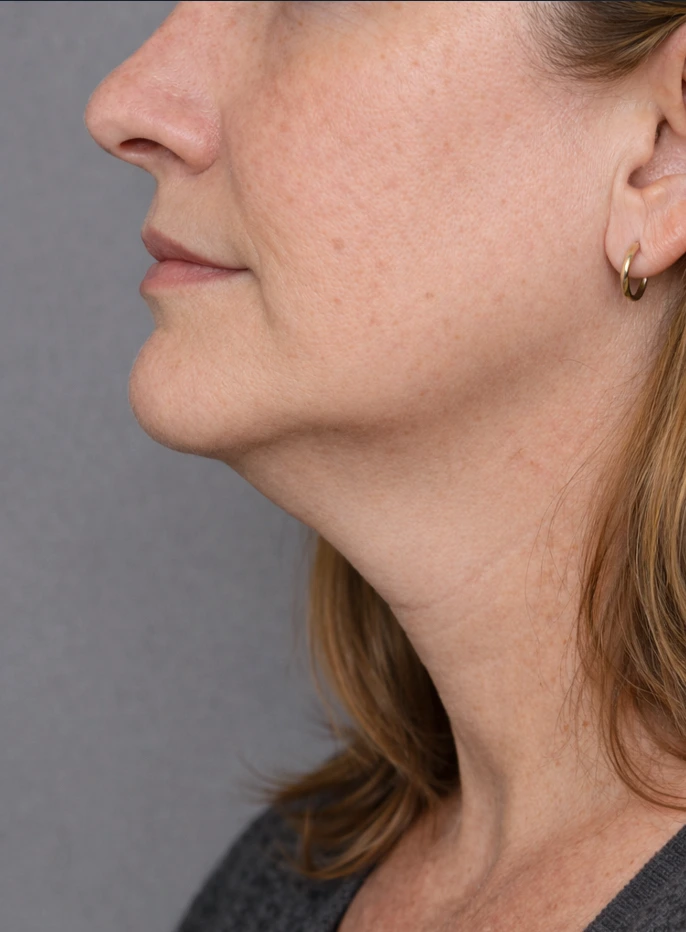
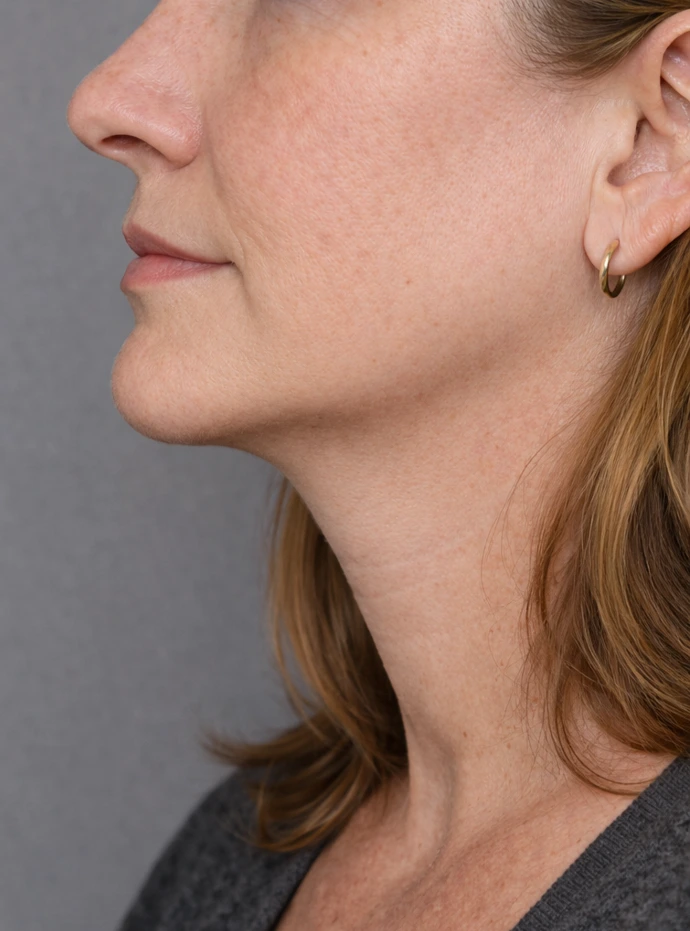
Chin reduction surgery — also known as genioplasty or mentoplasty — is a cosmetic procedure designed to refine the size and shape of a prominent or overly large chin to create a more harmonious facial profile. The chin plays a central role in overall facial balance, and when it appears too long, wide, or forward-projecting, it can make the lower face look disproportionate. During surgery, a precise portion of bone and/or soft tissue is reshaped or removed to soften the chin’s prominence and better align it with the nose and jawline. This procedure can be tailored in any direction — forward, backward, shorter, or narrower — to help achieve the aesthetic and structural goals that best complement your facial features. Chin reduction is frequently part of facial feminization plans or stand-alone contouring.
Chin reduction surgery begins with a detailed assessment of the chin and overall facial proportions. Under general anesthesia, the surgeon makes an incision either inside the mouth or beneath the chin to access the bone. A controlled portion of bone is then removed or reshaped to reduce the chin’s size or projection. Once the desired contour is achieved, the incision is closed with sutures. This reshaping creates a more balanced facial profile while preserving function and symmetry.
Good candidates for chin reduction are adults in good overall health who feel their chin is too prominent, long, or disproportionate relative to other facial features. This includes individuals seeking facial harmony or those pursuing facial feminization. Candidates should have realistic expectations and be medically stable with fully developed facial bones. A consultation with a qualified plastic surgeon ensures your anatomy, aesthetic goals, and dental alignment are appropriate for safe and effective chin contouring.
The chin is a defining feature of the lower face and strongly influences facial harmony. A chin that appears too large, forward-projecting, or disproportionate can draw attention away from other features and create a heavy or imbalanced look. Chin reduction surgery reshapes the bone and soft tissues to soften the chin’s prominence and improve balance with the nose, lips, and jawline. This can enhance overall facial proportion and create a more refined, aesthetically pleasing profile. For many people, even subtle adjustments make a dramatic difference in confidence and self-image. Chin reduction is often incorporated into facial feminization procedures to soften more traditionally masculine facial traits, but it can also be performed on its own for cosmetic contouring. When combined with other procedures — such as rhinoplasty or neck contouring — the result can be a thoughtfully integrated facial transformation that feels natural and balanced.
Disclaimer: These photos are published for illustrative purposes only to provide information on the nature of the procedure. They do not constitute a guarantee of results.
Years of Combined Experience
0+
Treatments Performed
0+
Client Satisfaction
0%+
Advanced Treatments
0+
Frequently Asked Questions
What is chin reduction surgery?
Chin reduction, also called mentoplasty or genioplasty, is a surgical procedure that reshapes and reduces the size of an overly prominent chin to improve facial balance and proportion.
How is the surgery performed?
The surgeon makes an incision either inside the mouth or under the chin and removes or reshapes a portion of the chin bone. The incision is then closed with sutures, and the new shape is secured.
Will there be visible scars?
If the incision is made inside the mouth, there are no visible external scars. Even if an external incision is used beneath the chin, it is typically small and discreet.
How long is recovery?
Initial swelling and tenderness usually improve within a couple of weeks, though complete healing and refinement of the chin contour may take several months.
Can chin reduction be combined with other procedures?
Yes — it is often combined with rhinoplasty, facial feminization procedures, or neck contouring for comprehensive facial balance.
Is chin reduction permanent?
Yes — once bone is reshaped or removed, the changes are permanent. Results remain stable with a healthy lifestyle.
Who is not a good candidate?
Ideal candidates are in good health with realistic goals. People with certain dental issues or medical conditions may require additional evaluation before surgery.
Request a Consultation
Take the first step toward your surgical goals with a confidential, personalized consultation.
Create an account to access this functionality.
Discover the advantages
We use cookies to ensure that we give you the best experience on our website. If you continue to use this site we will assume that you are happy with it.