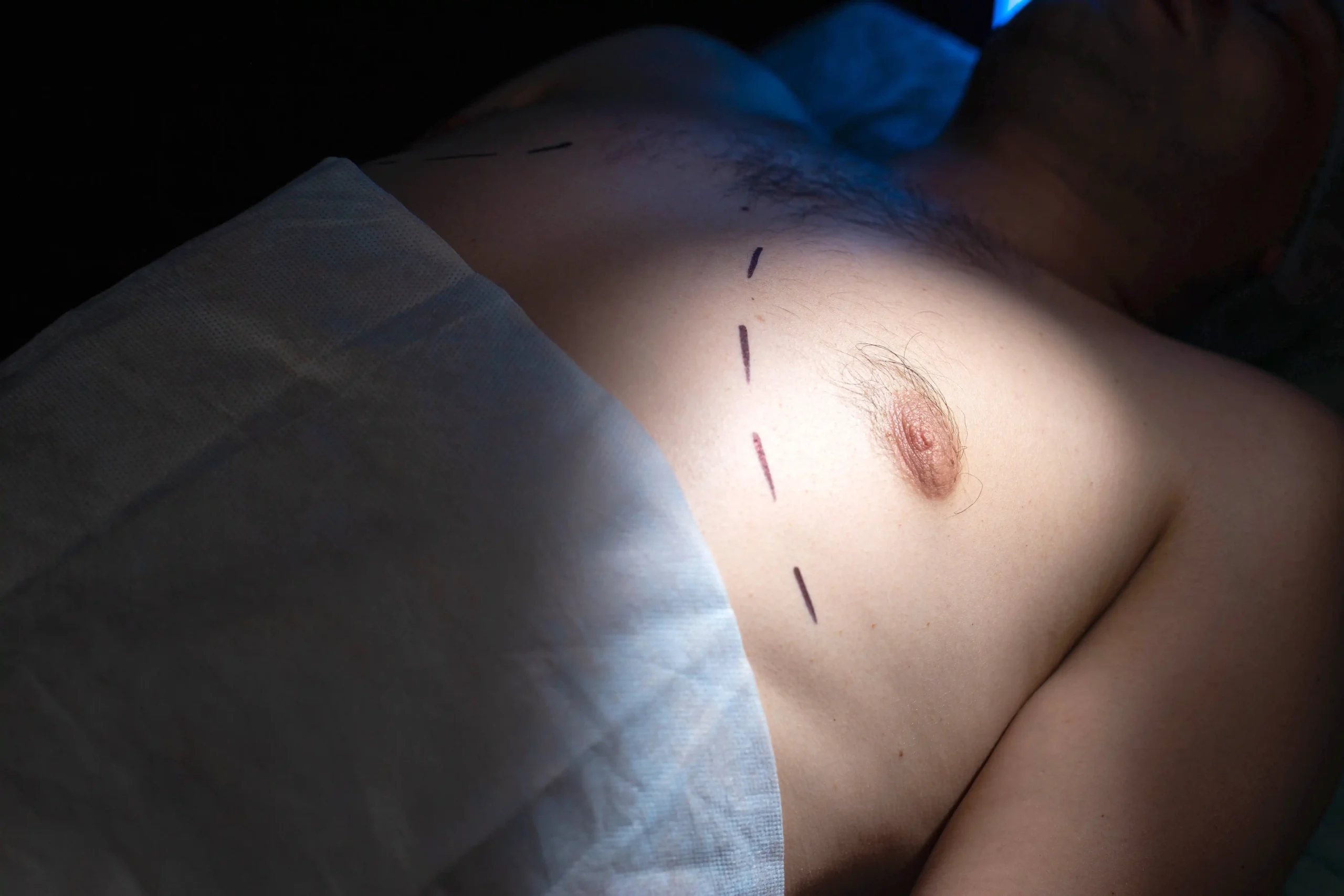
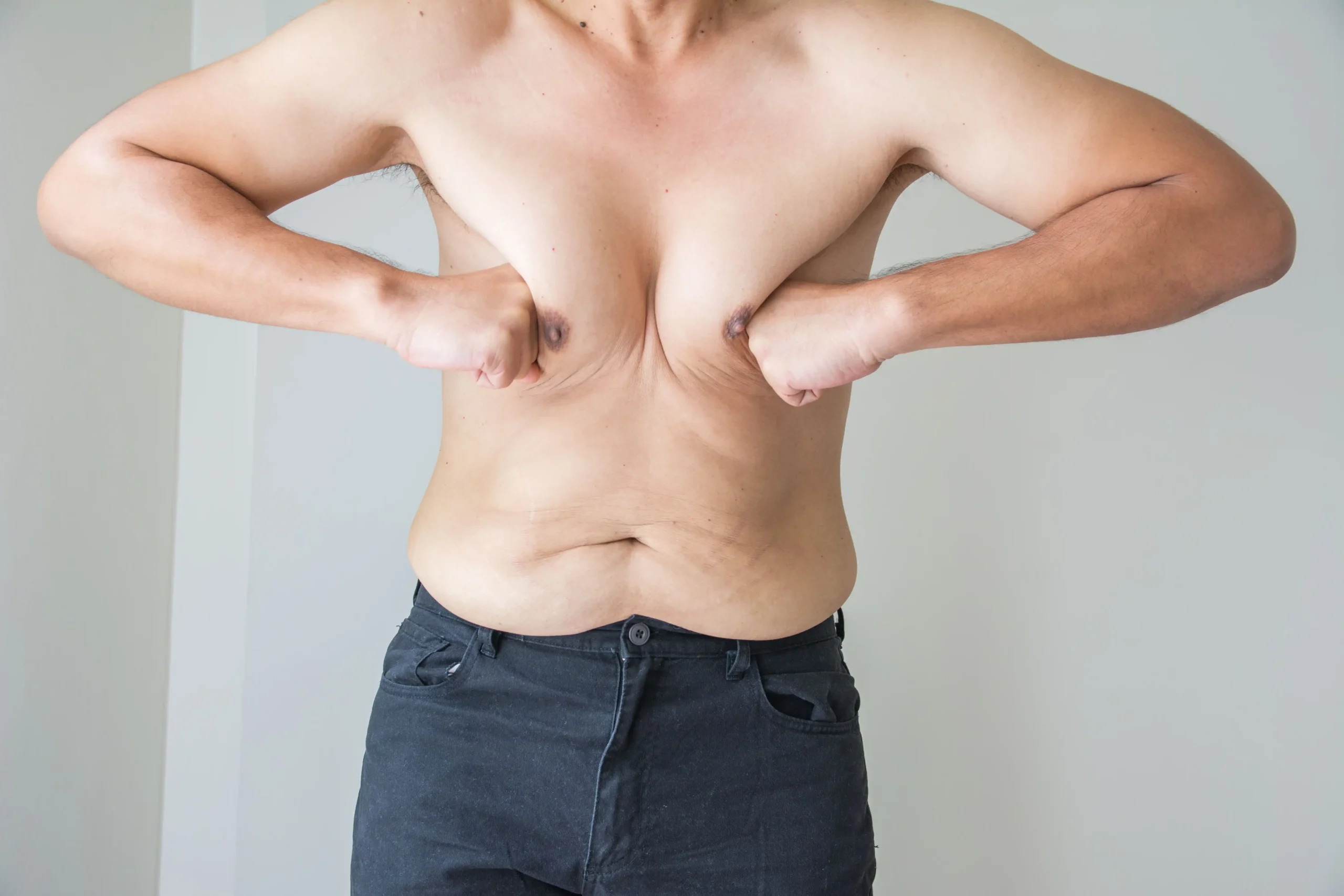
Gynecomastia surgery is a procedure to reduce enlarged male breasts by removing excess glandular tissue and/or fat to create a flatter, more masculine chest contour. The approach is tailored to each patient’s anatomy and the type of tissue involved.
Gynecomastia correction can be performed using liposuction to remove excess fatty tissue, surgical excision of glandular tissue through a small incision under the nipple, or a combination of both. In cases with substantial excess skin, additional removal and contouring may be needed. Anesthesia is selected based on the treatment plan — local for simpler cases and general for more extensive procedures — and a compression garment is typically worn post-op to support healing.
Good candidates are men who are in general good health with persistent breast enlargement that does not improve with exercise or weight loss. Causes can include hormonal changes during puberty or later in life, certain medications, cannabis or steroid use, or excess weight. Candidates should have realistic expectations and be prepared to follow pre- and post-operative care instructions.
Gynecomastia can cause physical discomfort and self-consciousness due to a breast-like chest contour. Surgery can redefine chest shape, improve fit of clothing, enhance masculine appearance, and boost confidence. For many men, surgical correction provides a long-lasting improvement when lifestyle changes alone are insufficient.
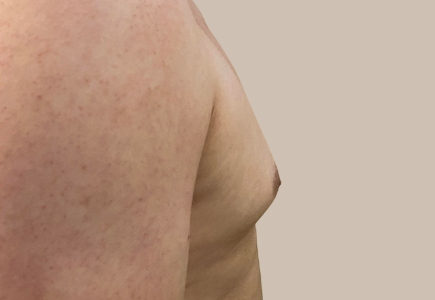
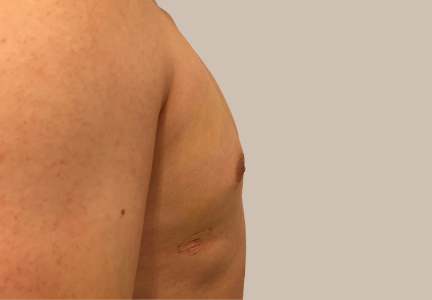
Disclaimer: These photos are published for illustrative purposes only to provide information on the nature of the procedure. They do not constitute a guarantee of results.
Years of Combined Experience
0+
Treatments Performed
0+
Client Satisfaction
0%+
Advanced Treatments
0+
Frequently Asked Questions
What exactly is gynecomastia?
Gynecomastia is the enlargement of male breast tissue due to excess fat, glandular tissue, or both. It can occur during puberty or later in life due to hormonal changes, weight gain, or other factors.
How long does gynecomastia surgery take?
The procedure typically takes about 1.5–2 hours, depending on the technique and amount of tissue to be removed.
Will I need general anesthesia?
Simple cases treated primarily with liposuction can often be done under local anesthesia with sedation. More extensive surgery often uses general anesthesia.
Is the surgery painful?
Discomfort is usually mild to moderate after surgery and is managed with prescribed pain medication. Swelling and bruising are common but improve over the first few weeks.
How long is recovery?
Most men can return to light daily activities in about 1–2 weeks. Full recovery, including return to exercise and complete resolution of swelling, typically occurs over several weeks. A compression garment is often recommended for several weeks to support healing.
Will there be scars?
Scars from liposuction are very small. If surgical excision is needed, incisions are usually placed discreetly around the edge of the areola or under the gland, and they typically fade over time.
Are results permanent?
Yes. Removing excess fat and glandular tissue usually provides a permanent improvement. However, weight gain or hormonal changes can affect the chest contour later, so maintaining a stable lifestyle helps preserve results.
Request a Consultation
Take the first step toward your surgical goals with a confidential, personalized consultation.
Create an account to access this functionality.
Discover the advantages
We use cookies to ensure that we give you the best experience on our website. If you continue to use this site we will assume that you are happy with it.