Liposuction (Body Contouring Surgery)

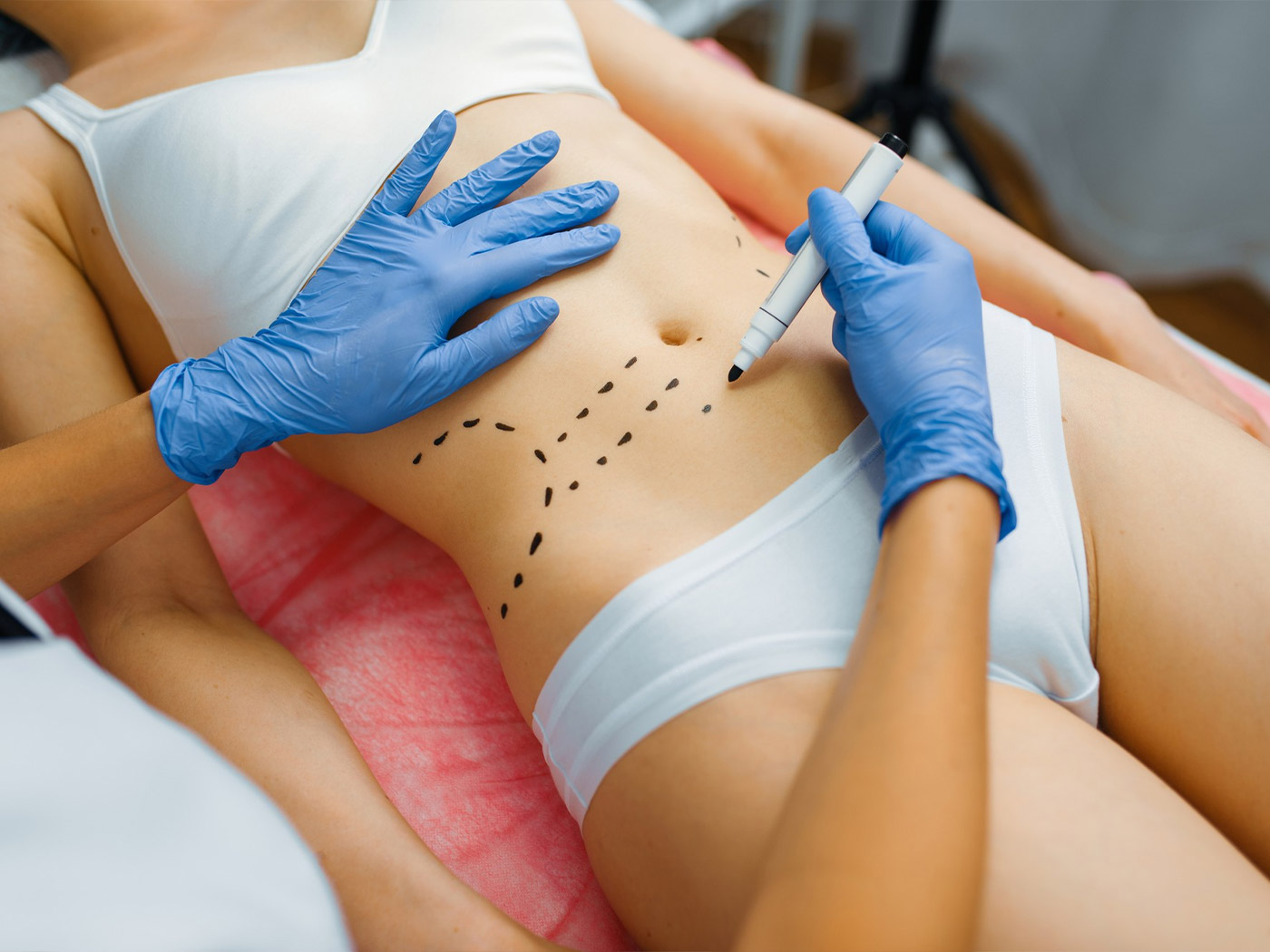
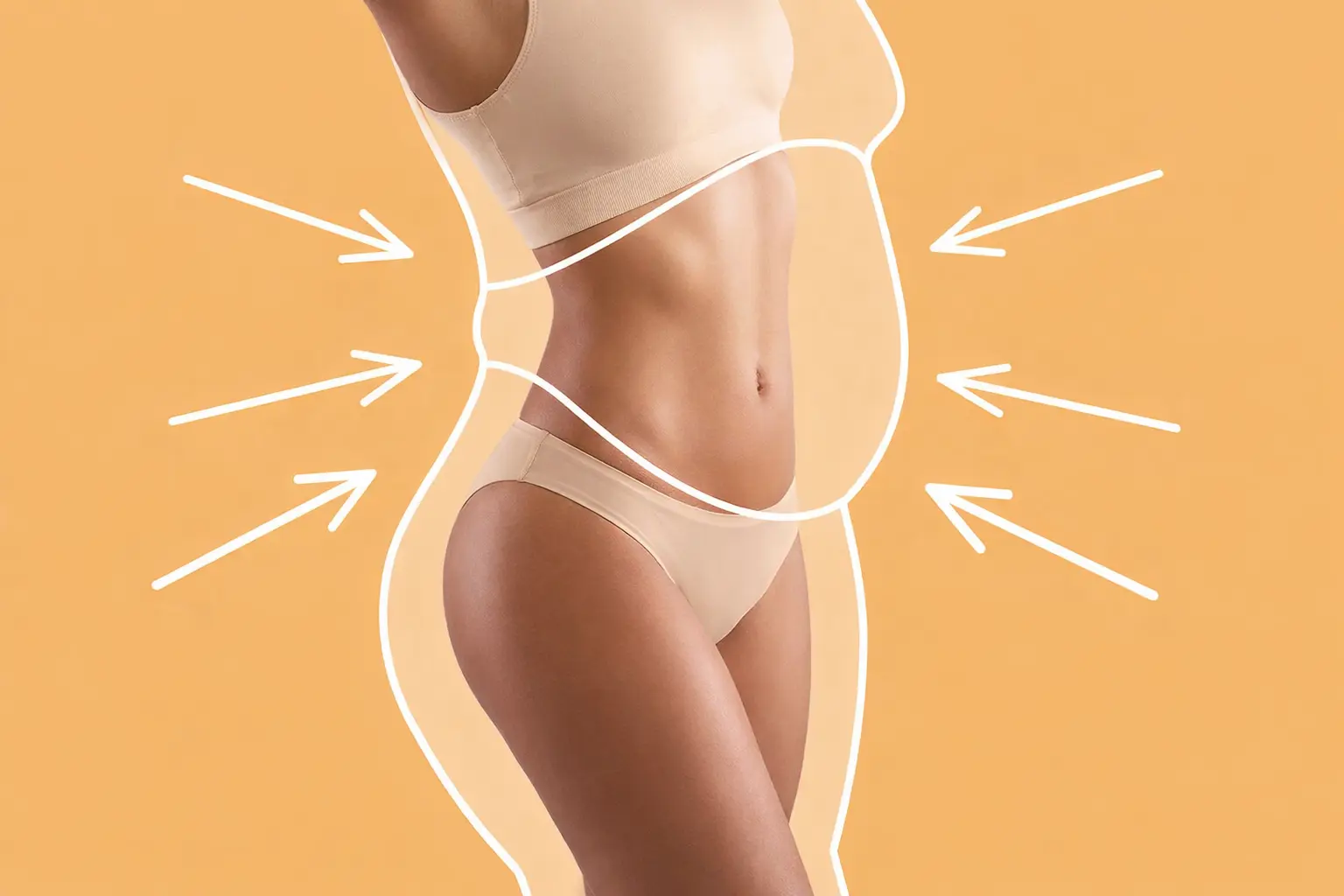
Liposuction is a cosmetic surgical procedure that refines and sculpts the body by removing persistent fat deposits that are resistant to diet and exercise. The goal is to enhance your body’s natural proportions and achieve a smoother silhouette by targeting localized areas such as the abdomen, hips, thighs, buttocks, arms, or neck. During the procedure, small, strategically placed incisions allow the surgeon to insert a thin tube (cannula) to gently loosen and suction out unwanted fat. While liposuction isn’t a weight-loss operation, it permanently removes fat cells in treated areas to improve contour and balance. Many patients choose liposuction as part of a comprehensive body contouring plan tailored to their aesthetic goals.

How Liposuction Works

Liposuction begins with small incisions placed where excess fat is most noticeable. A sterile solution may be introduced to reduce bleeding and facilitate fat removal. A thin, hollow tube (cannula) is then inserted under the skin, and suction is used to extract the targeted fat cells. The technique can vary — including tumescent, ultrasound-assisted, or laser-assisted methods — depending on the surgeon’s plan and the area being treated. Once sculpting is complete, incisions are closed and recovery begins.

Who Is a Good Candidate?

Good candidates for liposuction are individuals in generally good health who have stubborn fat deposits that do not respond to diet and exercise and who have realistic expectations about results. Liposuction works best when your overall weight is stable and skin elasticity is adequate. It is not a substitute for weight-loss surgery or a treatment for obesity. A thorough consultation with a board-certified plastic surgeon helps ensure that your goals and anatomy align with the procedure’s potential benefits.

Why Consider Liposuction?

Many people struggle with specific areas of fat that refuse to budge despite consistent diet and exercise. Liposuction offers a way to sculpt and refine those areas to improve body balance and enhance curves in a way that complements your natural shape. Because fat cells removed during liposuction cannot regrow, results can be long-lasting when combined with a healthy lifestyle. However, liposuction is not a weight-loss procedure; it’s a contouring tool that helps reduce localized bulges and enhance overall proportion. It can also be combined with other surgeries — such as tummy tuck, arm lift, or thigh lift — to achieve a more comprehensive transformation. Most patients choose liposuction to address areas like the abdomen, hips, inner thighs, or arms where stubborn fat is most noticeable, resulting in a smoother, more contoured silhouette.

Before and after Liposuction (Body Contouring Surgery)

Disclaimer: These photos are published for illustrative purposes only to provide information on the nature of the procedure. They do not constitute a guarantee of results.

Years of Combined Experience
0 +
Treatments Performed
0 +
Client Satisfaction
0 %+
Advanced Treatments
0 +

Frequently Asked Questions

What exactly does liposuction treat and how is it different from weight loss?

Liposuction targets localized fat pockets that remain despite diet and exercise, such as around the belly, hips, thighs, arms, or neck. Unlike weight-loss procedures, its purpose is contouring — sculpting the body’s shape rather than significantly reducing overall weight. It permanently removes fat cells in treated areas, but maintaining results depends on a healthy lifestyle.

Procedure duration varies with the number and size of areas being treated but generally lasts from one to several hours. Anesthesia choices range from local with sedation for smaller areas to general anesthesia for multiple or larger zones. Your surgeon will recommend the safest option based on your plan.

Yes, liposuction requires small incisions for the cannula, typically only a few millimeters in length. These are strategically placed in discreet locations — such as skin folds — so that resulting scars are minimal and tend to fade over time with proper healing.

After liposuction, swelling, bruising, and temporary numbness are common for several weeks. Wearing compression garments helps reduce swelling and supports contour formation. Most patients resume light activities within a few days and return to full activity in several weeks, following your surgeon’s guidance.

Yes, fat cells removed do not return. However, remaining fat cells can enlarge if weight increases, so maintaining a stable weight and active lifestyle is key to preserving results.

Absolutely. Liposuction is often combined with body contouring surgeries — such as abdominoplasty, arm or thigh lifts — to enhance overall shape and balance. Combining procedures can offer more dramatic, comprehensive results tailored to your goals.

When performed by a qualified, board-certified plastic surgeon, liposuction is generally safe. A detailed consultation assesses your health status, expectations, and treatment areas. Being in good health before surgery — including stable weight and no smoking — supports better healing and outcomes.

Request a Consultation

Take the first step toward your surgical goals with a confidential, personalized consultation.

Create an account to access this functionality.
Discover the advantages